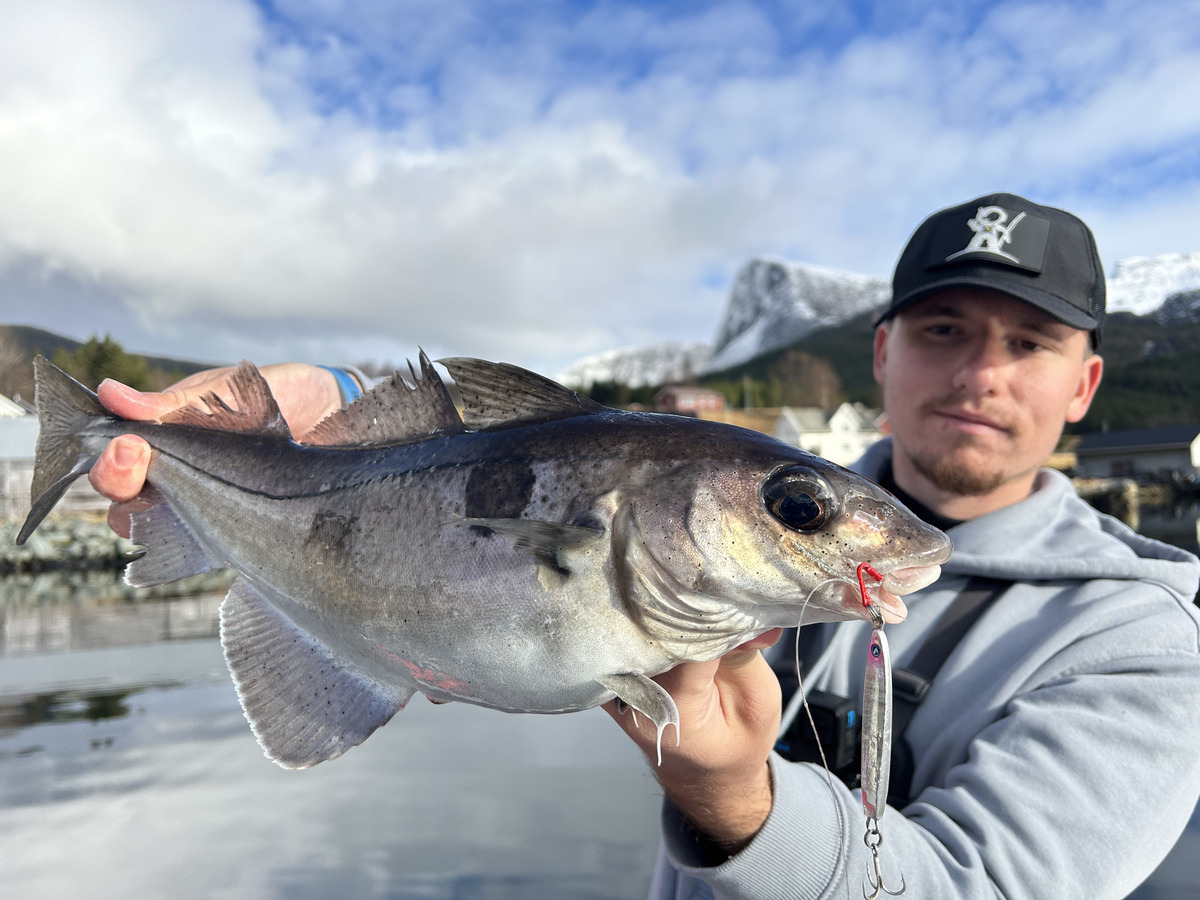
The cold waters of Norway are well known for holding a wide diversity of species and healthy fish stocks. Its harsh winters and hostile weather conditions bring an extraordinary charm to fishing. An icy sea surrounded by snow-covered mountains where you can target fish between 15 and 200 kilos — a real experience, a true expedition.
Spring brings milder conditions, as the white of the mountains gives way to the greenery of meadows and trees, while the dazzling white glaciers remain. Whatever the season, your fishing panorama will be wild and idyllic, with a full range of diverse fishing techniques to explore.
Target Species in Norway
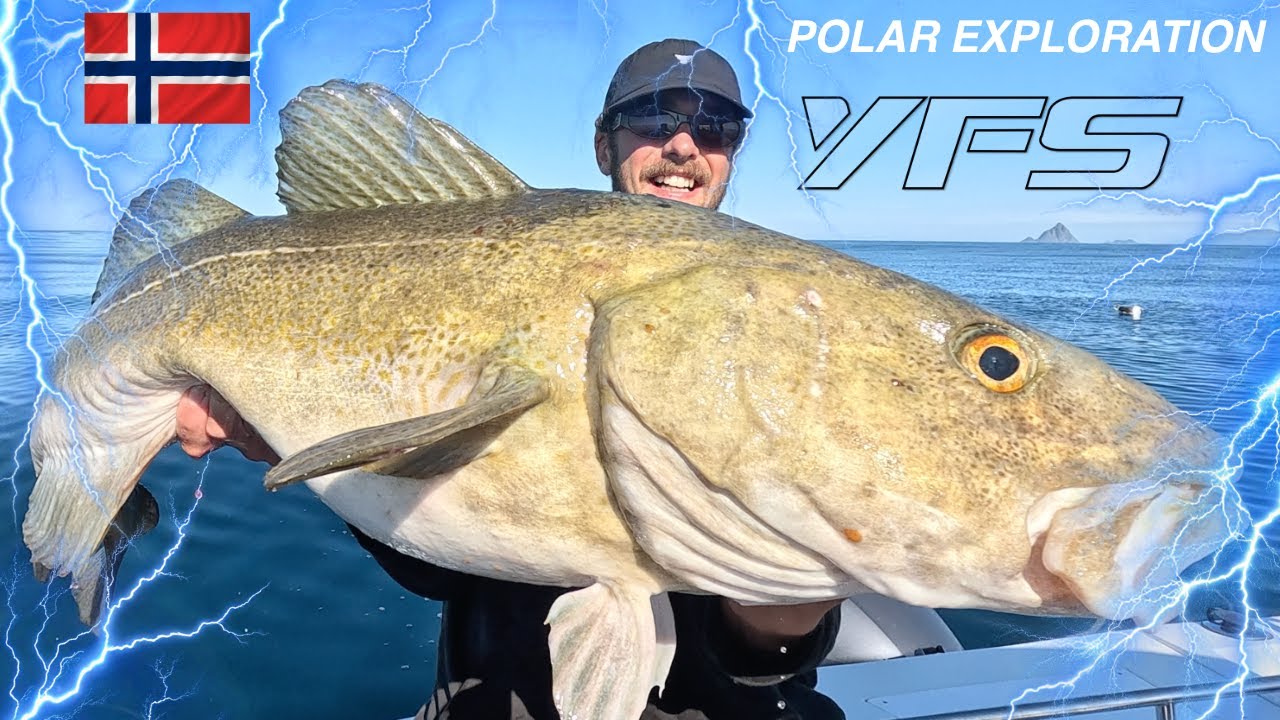
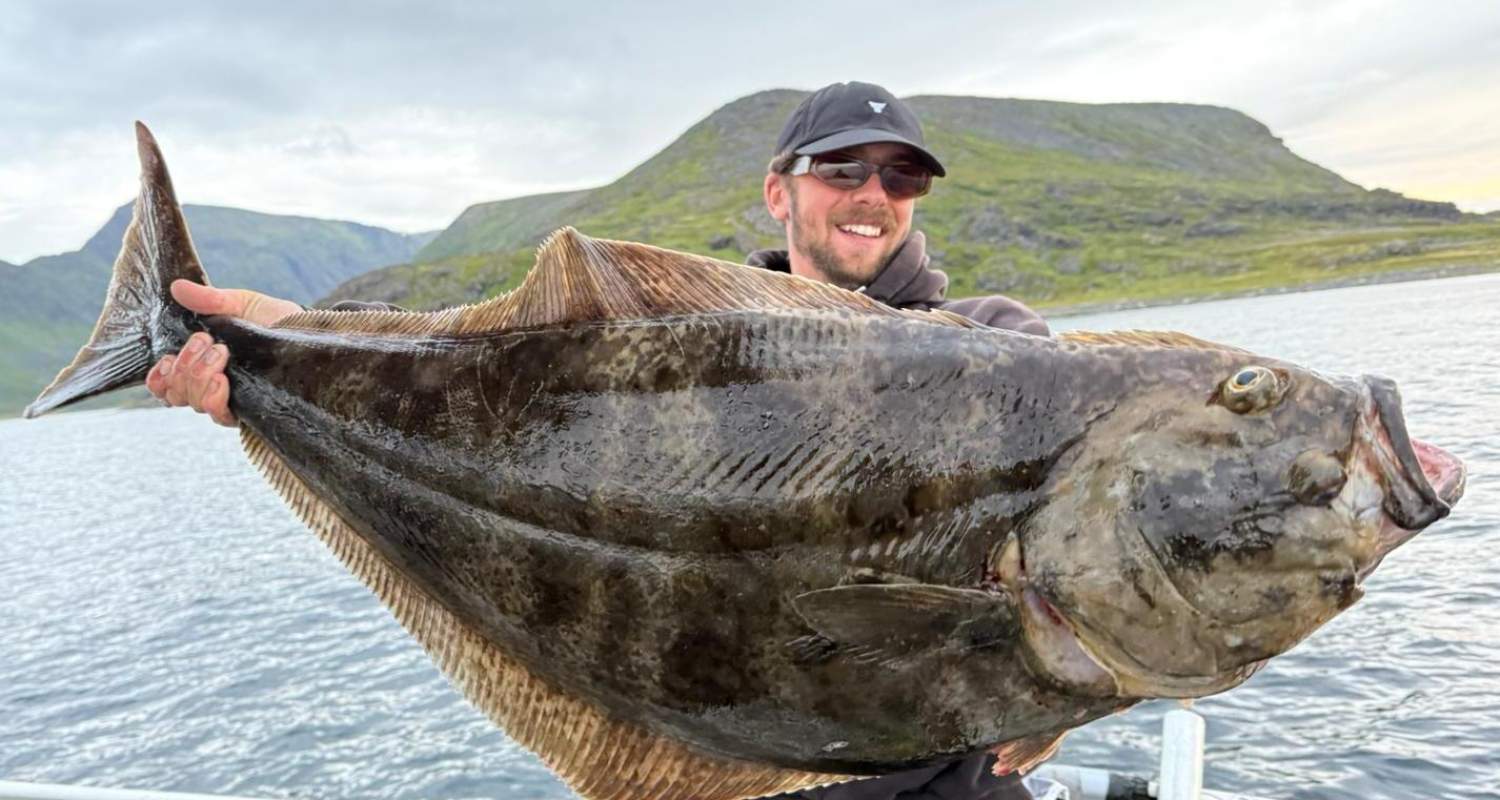
A multitude of species inhabit Norwegian waters, but the ones that truly interest us are the predatory fish that can reach record sizes. Cod and halibut are the two dominant predators of the North Atlantic, and it is in Norway that the biggest specimens can be found: 45 kilos for cod and more than 220 kilos for halibut. Enough to make exotic anglers dream.
But other species such as coalfish, ling, redfish, wolffish, haddock, monkfish, and various flatfish will also be present to attack your lures and provide varied excitement.
‹
›
Fishing Seasons in Norway
The months of April, May, and June are excellent for cod (Skrei, the name Norwegians give to giant cod migrating to Norwegian waters to spawn), and this is the period when the largest individuals are caught; we’re talking about fish that can exceed 40 kilos! Halibut are also highly active at this time, striking your lures with tremendous violence.
September is the best period for halibut. As the waters start to cool, halibut begin feeding aggressively before winter. When the water temperature reaches 6 degrees, halibut are at their peak feeding activity, making them very aggressive and catchable in different ways. Sometimes, they even follow your lure for 70–80 meters before striking right under the boat… an incredible sight.
September is also the best season to target them with casting gear in shallow waters along the coast.
Recommended Setups and Gear
Here are the setups you need to cover all the techniques:
The first will be a PE 4–6 rod paired with a 5500 or 14000 size reel loaded with 300 meters of PE 6. A jigging rod can do the job, but a rod between 2.10 m and 2.30 m is more suitable. A 150 lb leader is recommended. This setup allows you to target big halibut and large cod. Often at this time of year, fish are found quite deep, so heavy lures and jigs are necessary, ranging from 200 to 500 g.
Next, you’ll need a slightly lighter rod that can still handle heavy weights. A PE 3–4 rod will be perfect for continuing to target big fish with more finesse, giving greater sensation during the fight. A 4500 or 8000 size reel spooled with 50 lb braid is the right compromise. A 100 lb leader will be sufficient. Note: make sure to use 100% fluorocarbon leaders! Cod and halibut have sharp teeth, and if the leader is too soft, you risk losing your trophy fish.
A slow jigging rod in PE 2–3 for heavy yet fine fishing will allow you to target deep-water fish with finesse and enjoy spectacular fights. A properly sized slow jigging reel spooled with 30 lb braid and paired with an 80 lb 100% fluorocarbon leader will be the ideal combo.
For September, a light 20–25 lb rod is essential to target coalfish, which are abundant in large numbers and reach very interesting sizes on light tackle. Small soft lures, jigs, and minnows cast along the coast also allow you to catch a variety of species and enjoy exciting light-tackle action on medium-sized fish.
A PE 4 spinning rod for casting is perfect for targeting halibut during September. A rod of 2.30–2.50 m that can cast lures up to 150 g is recommended. A Shimano 8000 or Daiwa 4500 reel spooled with 60 lb braid and matched with a 100 lb leader will provide the right balance.
Lures and Approach
Now, let’s talk about lures.
Fishing generally takes place between 40 and 150 meters. Even in relatively shallow zones (35–70 meters), you need heavy weights to stay on the bottom. Plateaus often concentrate and accelerate currents, creating fast drifts. To maintain bottom contact, sometimes 250 g is needed in 50 meters of water. In rocky areas at 150 meters, you may need up to 500 g to stay on the bottom.
Fishing Techniques in Norway
Four fishing techniques are available to us:
1. Vertical fishing: the most common method. Soft plastics are essential in your tackle box. It’s recommended to carry lures of different sizes, from 15 to 30 cm. Large soft baits are particularly effective for cod and halibut while allowing you to target trophy fish. Whether you choose shads, curly tails, or slugs, don’t hesitate to favor models over 20 cm. Big soft lures designed for pike also work very well. Shads and curly tails are deadly, but when fish are more selective, slugs can make the difference. Productive colors include blue, green, and brown for natural shades, as well as pink, orange, and firetiger for flashy options.
To reach the bottom quickly and hold against the current, your lures will need to be weighted with 250–500 g jig heads for large soft plastics. For smaller lures, 100–200 g is sufficient.
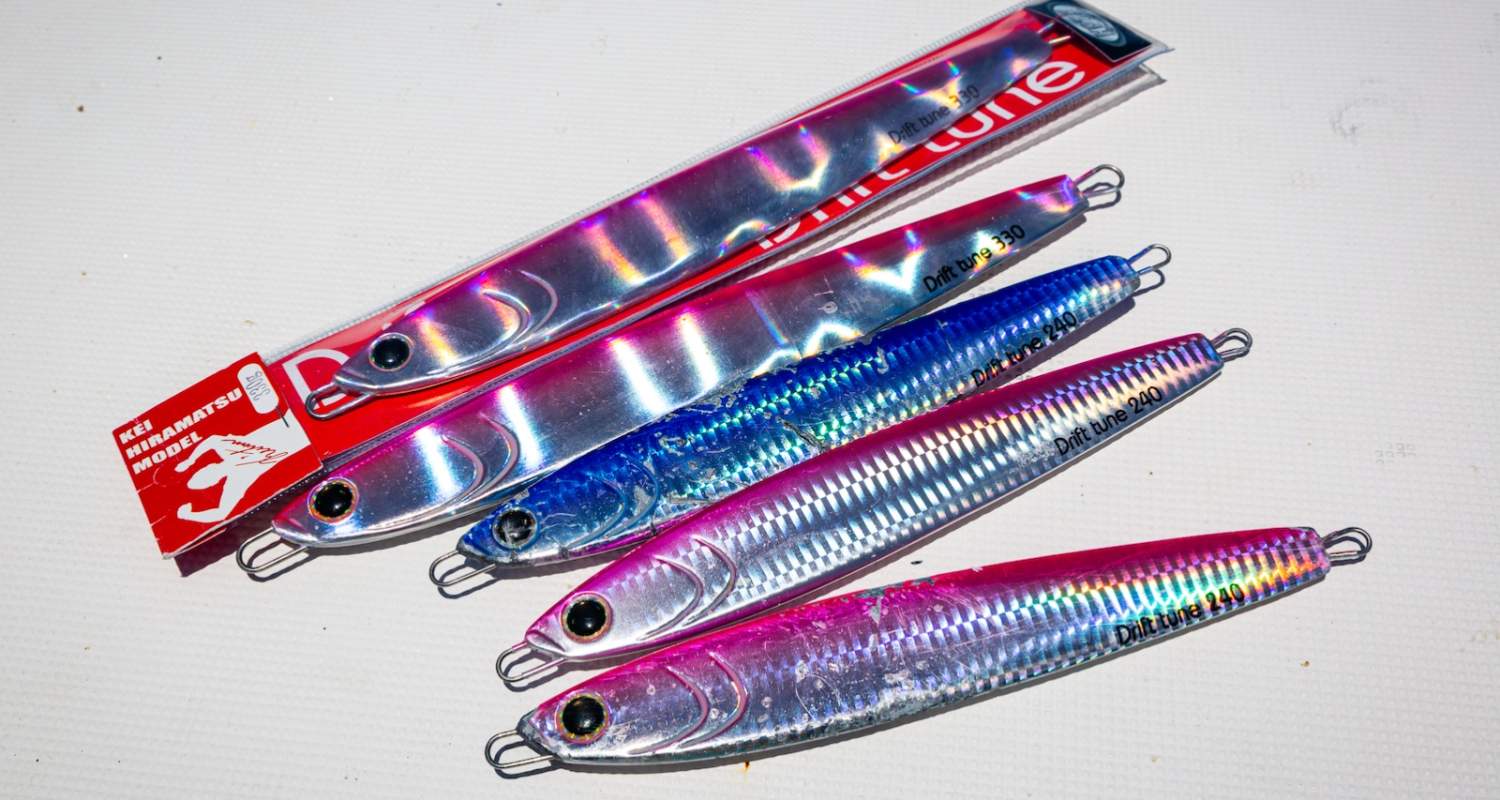
2. Jigging: jigs cover all situations. Unlike tropical jigging, jigging in Norway is very different; you fish more slowly and closer to the bottom. Fast upward jerks toward the surface are not effective for Norwegian fish. Cold water slows their metabolism, making them move more slowly. Slow jigs with fluttering action are deadly for all species. Longer, slimmer jigs also work very well, reaching the bottom quickly in strong currents. Jigs between 200 and 400 g are ideal. For lighter, shallow-water fishing, 80–150 g jigs work perfectly. A strong double assist hook rigged at the top of the jig is the best setup.
3. Live bait fishing: should not be overlooked and often delivers big rewards. A coalfish rigged on a fireball between 200 and 500 g is perfect. Bring along some strong single hooks (sizes 5/0 to 7/0) and a few 250–300 g sinkers, and your guide will set up the appropriate rig.
4. Casting: in Norway offers a fascinating experience, allowing you to explore the coasts and the rich marine life they shelter. It is even possible to catch a giant halibut casting in shallow water. For this technique, soft plastics of 7–10 inches weighted between 100 and 180 g are ideal. For lighter casting, choose small soft plastics of 5–7 inches with jig heads of 30–80 g. Casting jigs of 30–100 g, as well as a few minnows of 110–130 mm, will give you a varied selection of lures adapted to all situations.
‹
›
Why Choose YFS for Your Fishing in Norway
Choosing YFS – Yachting Fishing Specialist means trusting a team of passionate and experienced professionals. Specialists in sport fishing in Norway, we provide all our expertise, top-quality gear, and knowledge of the best spots. We offer fishing trips aboard catamarans, combining comfort, safety, and conviviality, to give you unique and unforgettable moments in the spectacular landscapes of Norway.