
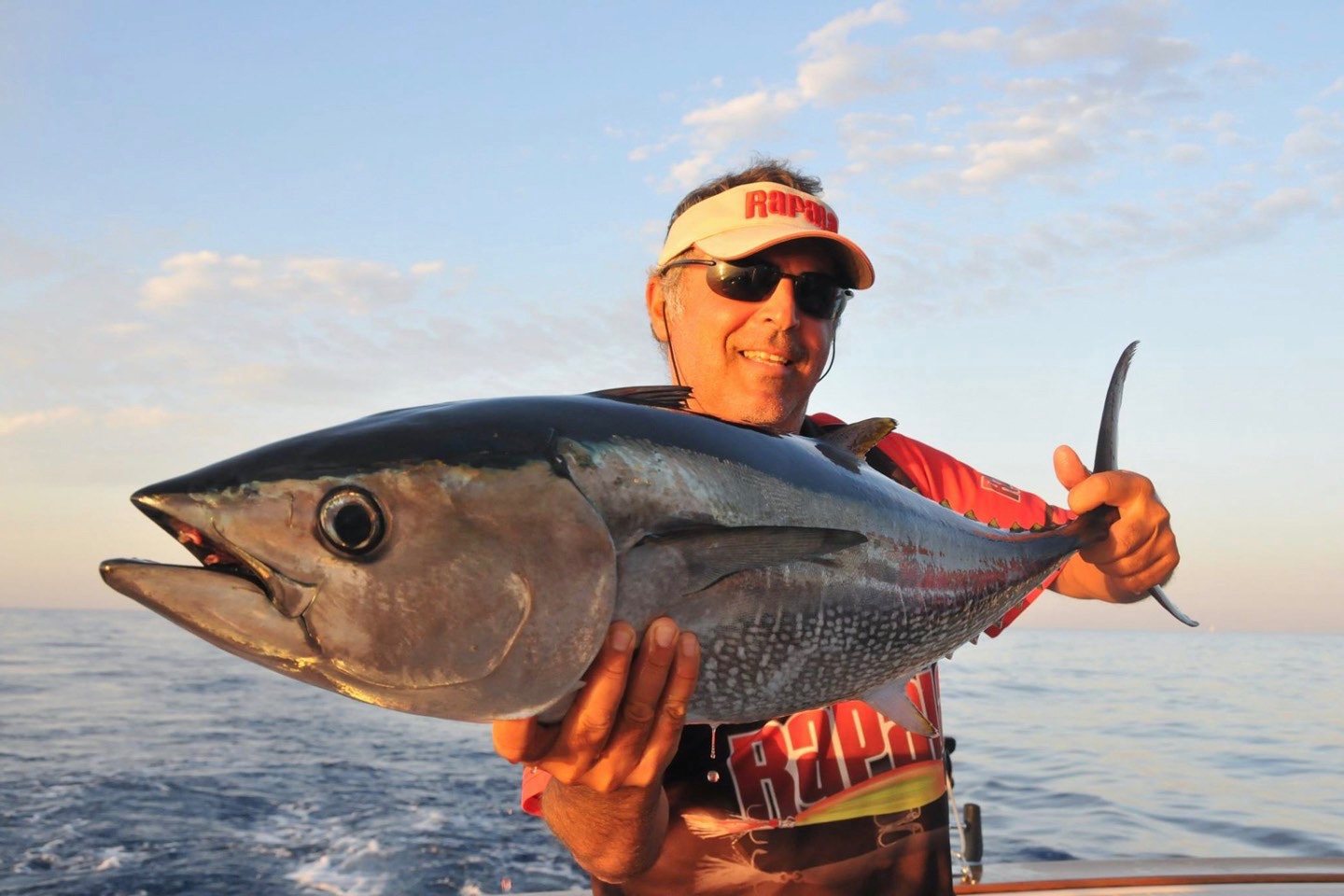
Jigging is a popular and effective fishing technique used in both shallow and deep-sea environments. It involves dropping a metal lure, called a jig, into the water and animating it with quick, rhythmic movements to imitate injured or fleeing prey.
Many anglers appreciate jigging because it is an active and engaging fishing technique. It requires strength, coordination, and timing, offering a hands-on approach that differs from trolling or bait fishing.
Whether targeting trophy fish or simply exploring an active fishing technique, jigging is a dynamic and rewarding method practiced by anglers in many regions around the world.
This method is particularly effective for targeting predatory species such as amberjack, grouper, snapper, tuna, and certain types of mackerel. Jigging can be practiced at different depths, making it a versatile technique in a wide range of fishing environments.
Jigging requires suitable equipment, including strong rods, robust reels, and a selection of jigs in different weights and colors. The choice of tackle depends on the target species, fishing depth, and local conditions.
Vertical jigging is one of the most common forms of this technique. The jig is dropped beneath the boat and worked vertically through the water column. Its sharp movements can trigger aggressive strikes from fish positioned near the seabed or underwater structures.
Jigging uses artificial lures and can allow anglers to focus on specific target species. Its environmental impact nevertheless depends on fishing practices, the species targeted, and compliance with local regulations and responsible fishing guidelines.